


Our Elopement blog for a Legal & Stress-Free Day: How to Elope in Vermont
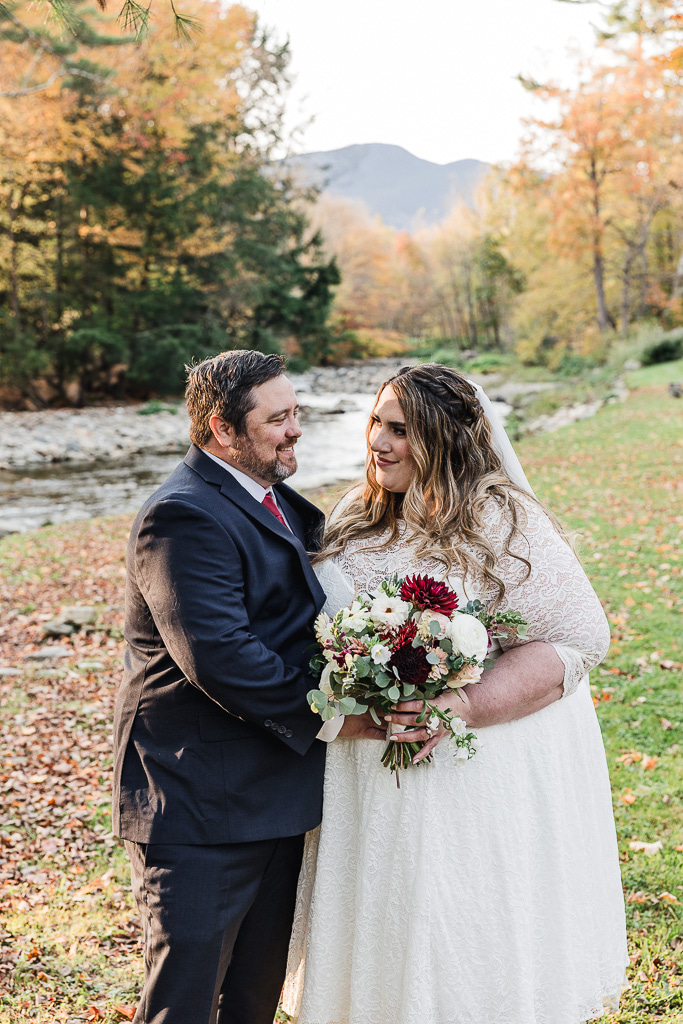
If you’re dreaming of exchanging vows surrounded by towering mountains, golden fall foliage, or snow-covered evergreens, Vermont offers the perfect backdrop. With its small-town charm, scenic views, and cozy vibe, this New England gem sets the stage for an intimate and meaningful elopement.
So, how do you elope in Vermont? This guide breaks down how to get married in Vermont legally, which services you’ll need, and how to ensure your day runs smoothly from start to finish.
Step-by-Step: How to Get Married in Vermont
1. Apply for a Vermont Marriage License
You don’t need to be a Vermont resident to get married here. Visit any Vermont town or city clerk’s office (find a clerk here) to apply. Both of you must appear in person and provide a valid ID, such as a passport or driver’s license.
The license becomes valid immediately and remains active for 60 days. As of this writing, the fee is approximately $80, but it’s best to confirm with the clerk’s office.
2. Choose an Officiant
Vermont allows several types of officiants. You can be married by a Justice of the Peace, an ordained minister, or a friend or relative who becomes temporarily authorized through the Vermont Secretary of State.
If a friend plans to officiate your ceremony, they must:
- Become ordained online through a recognized organization, such as Universal Life Church or American Marriage Ministries.
- Apply for a Temporary Officiant Authorization from the Vermont Secretary of State. This application is specific to your ceremony date, requires a small fee (usually around $100), and must be completed prior to the ceremony.
- Submit the authorization paperwork along with your signed marriage certificate after the wedding.
3. Decide on Witnesses (Optional)
Vermont does not legally require witnesses for your marriage to be valid. However, if you’d like someone to sign your marriage certificate for keepsake purposes, you are welcome to include them.
4. File the Marriage Certificate
Following the ceremony, your officiant must sign the marriage license and return it to the clerk’s office where it was issued. Once filed, you may request certified copies for legal name changes and personal records.
What You Need to Elope in Vermont Legally and Stress-Free
To create a beautiful and stress-free experience, make sure to line up the following services and details:
Photographer
Hire someone familiar with the area who can support you through planning, timeline creation, and vendor recommendations. You can browse real Vermont elopement stories and inspiration on my Vermont Elopement Blog.
Officiant
Whether you choose a Justice of the Peace or a close friend, your officiant should understand Vermont’s marriage laws. If your officiant is a friend, confirm that they have completed the temporary officiant application in advance.
Location Logistics
Your dream elopement location may require additional paperwork. Here’s what to consider:
- State Parks: Popular spots like Smugglers’ Notch, Camel’s Hump, or Quechee Gorge often require a special use permit. Contact the Vermont State Parks Department for information.
- National Forests: If you’re heading into Green Mountain National Forest, check with the U.S. Forest Service for permits, group size restrictions, and access details.
- Private Venues: Small inns, barns, or Airbnb locations may require vendor insurance and proof of event coverage. Ask the host or venue manager ahead of time.
Backup Plan (Especially for Winter Elopements)
Vermont weather can change rapidly. Choose vendors who can adapt to last-minute changes, and always have a backup indoor location available if needed.
Optional Add-Ons
Enhance your experience with thoughtful services like:
- Hair and makeup
- Florals
- Elopement planning or adventure guide services
- A cozy overnight stay at a local Airbnb or boutique inn
Best Time of Year to Elope in Vermont
Each season in Vermont offers a different kind of magic:
- Fall (Late September to Mid-October): Peak foliage season draws couples from around the world. If you’re hoping for those golden hues, book your vendors early.
- Winter (December to February): Perfect for cozy, snow-covered ceremonies in mountain towns.
- Spring (April to June): A quiet season filled with fresh blooms and peaceful forests.
- Summer (July to August): Ideal for outdoor lovers—think swimming holes, mountaintop hikes, and wildflowers in full bloom.
Final Thoughts: How to Elope in Vermont
Eloping in Vermont means embracing intimacy, connection, and wild beauty. Whether you say your vows beside a misty lake or on a mountaintop trail, Vermont provides the space and soul to create something deeply personal.
When planning how to get married in Vermont, remember that you only need a marriage license, an officiant, and a location that feels true to your story. Everything else—from the dress to the mountain views—is simply part of the magic.
If you’re ready to plan an intentional, unforgettable elopement day, let’s connect. Visit my Pricing Page to learn more about elopement packages, or Contact Me Here to get started.
Need help planning your Vermont elopement? Reach out here for my complete guide, photo packages, and planning support.


